Brain computing power is the mind’s raw processing horsepower, much like a computer’s CPU speed, enabling us to tackle complex problems, multitask under pressure, and spark creativity. Traditional IQ tests, however, often miss this dynamic metric, prioritizing pattern recognition over sheer computational velocity. In modern times, with advances in neuroscience and brain-computer interfaces, we’re rethinking intelligence—from ADHD evaluations to MBTI profiles and professional aptitude assessments. This shift promises profound self-knowledge and cognitive growth.
The Hidden Engine Driving Human Intelligence
Imagine your brain as a vast neural network, humming with trillions of synaptic connections firing at lightning speed. This is brain computing power in action: the ability to process information rapidly, juggle multiple variables, and generate novel solutions. Unlike static IQ scores, which average around 100 with a standard deviation of 15, brain computing power captures the fluid, real-time efficiency of cognition. It’s reshaping how we view smarts in today’s fast-paced world.
Defining the Metrics of Mental Machinery
Brain computing power encompasses working memory capacity, processing speed, and neural efficiency. Tools like Raven’s Progressive Matrices offer a window into abstract reasoning, but even these culture-fair tests can’t fully quantify how quickly your mind computes outcomes. Practice effects play a role too—familiarity with test formats can nudge scores up slightly, highlighting that intelligence isn’t fixed but malleable.
Why IQ Tests Can’t Capture Full Cognitive Firepower
Traditional IQ assessments excel at measuring crystallized knowledge and logical patterns, yet they falter with raw compute. For instance, someone with high brain computing power might blaze through Raven’s matrices but score averagely on verbal sections due to timing pressures. This disconnect is evident in ADHD assessments, where processing speed lags don’t reflect diminished intelligence, but rather a unique wiring that thrives in divergent thinking.
In professional aptitude tests, this gap widens. High-compute individuals often outperform in dynamic environments like coding sprints or strategic simulations, outpacing ‘high-IQ’ peers who deliberate longer. It’s a reminder that IQ norms, while useful benchmarks, overlook the velocity of thought.
Current Trends: AI and Neuroscience Redefining Benchmarks
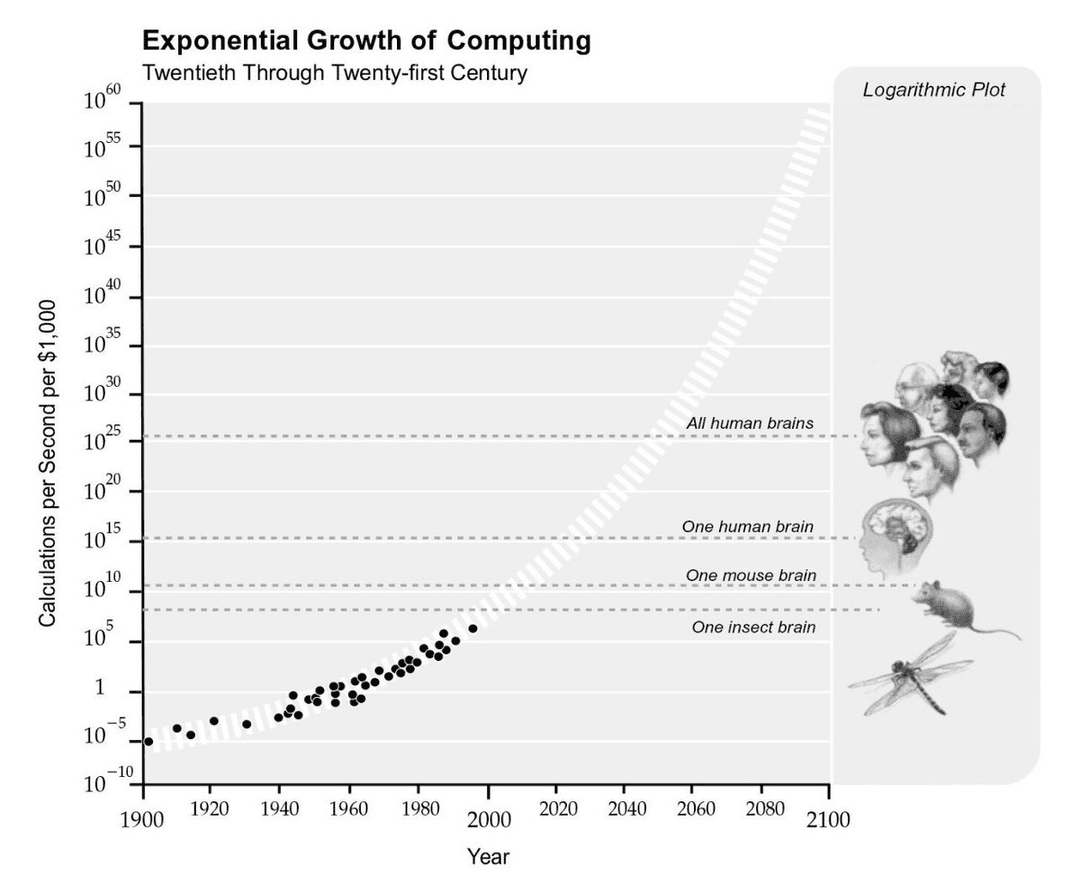
Nowadays, brain-computer interfaces like those in recent Neuralink developments are quantifying computing power directly. By February 2026, early trials have shown users controlling devices with thought speeds rivaling elite gamers, sparking debates on intelligence metrics. AI models, trained on vast datasets, now benchmark human cognition—revealing that average brains compute at petaflop scales, far beyond what IQ tests probe.
Trends in cognitive apps track daily fluctuations in processing speed, integrating with wearables for real-time feedback. This data-driven approach is influencing English CEFR levels and creativity evaluations, where speed of language acquisition or idea generation trumps rote recall.
Real-World Examples: Brains That Defy the IQ Mold
Consider tech visionaries with ADHD, whose hyperactive neural circuits deliver bursts of computing power during innovation peaks. One entrepreneur, known for dyslexia, revolutionized e-commerce by intuitively computing market dynamics faster than analysts. Similarly, artists scoring modestly on IQ tests unleash creative floods via parallel processing, unhindered by linear constraints.
MBTI types like INTJ harness strategic compute for long-term planning, while ENFPs excel in improvisational firepower. These stories illustrate how brain computing power fuels success beyond test scores, especially in neurodiverse teams dominating modern industries.
Actionable Insights: Turbocharge Your Cognitive Engine
Enhance brain computing power through targeted practices. Start with dual n-back training to expand working memory—studies show gains in fluid intelligence within weeks. Incorporate high-intensity interval training (HIIT), which boosts neurogenesis and synaptic speed.
Mindfulness meditation sharpens focus, reducing cognitive drag; pair it with nootropic-rich diets featuring omega-3s and blueberries. For ADHD minds, gamified apps simulate Raven’s challenges, minimizing practice effects while building speed. Track progress via free online cognitive batteries, adjusting for personal baselines.
Experiment with sleep optimization—circadian-aligned rest can double processing efficiency. Finally, embrace neurodiversity: leverage MBTI insights to play to your strengths, turning potential IQ blind spots into superpowers.
Frequently Asked Questions
What is the difference between brain computing power and IQ?
IQ measures learned knowledge and reasoning patterns, normed to an average of 100, while brain computing power focuses on raw speed and efficiency of processing, often overlooked in standard tests.
Can brain computing power improve over time?
Yes, through training like working memory exercises, physical activity, and lifestyle tweaks, individuals can enhance their cognitive processing capacity, countering practice effects in assessments.
How does ADHD affect brain computing power?
ADHD can introduce variability in sustained attention but often amplifies creative and parallel processing, allowing unique bursts of computing power in non-linear tasks.
Related resources
brain computing power: improve your results by practicing and tracking progress.