
IQ testing has captivated minds for over a century, offering a window into cognitive abilities like reasoning, memory, and problem-solving. In modern times, artificial intelligence is transforming this field, delivering adaptive assessments that adjust in real-time to your performance. This integration promises not just scores, but personalized feedback tailored to your unique strengths and areas for growth, empowering self-knowledge and cognitive improvement in ways never before possible.
The Dawn of Intelligent IQ Assessments
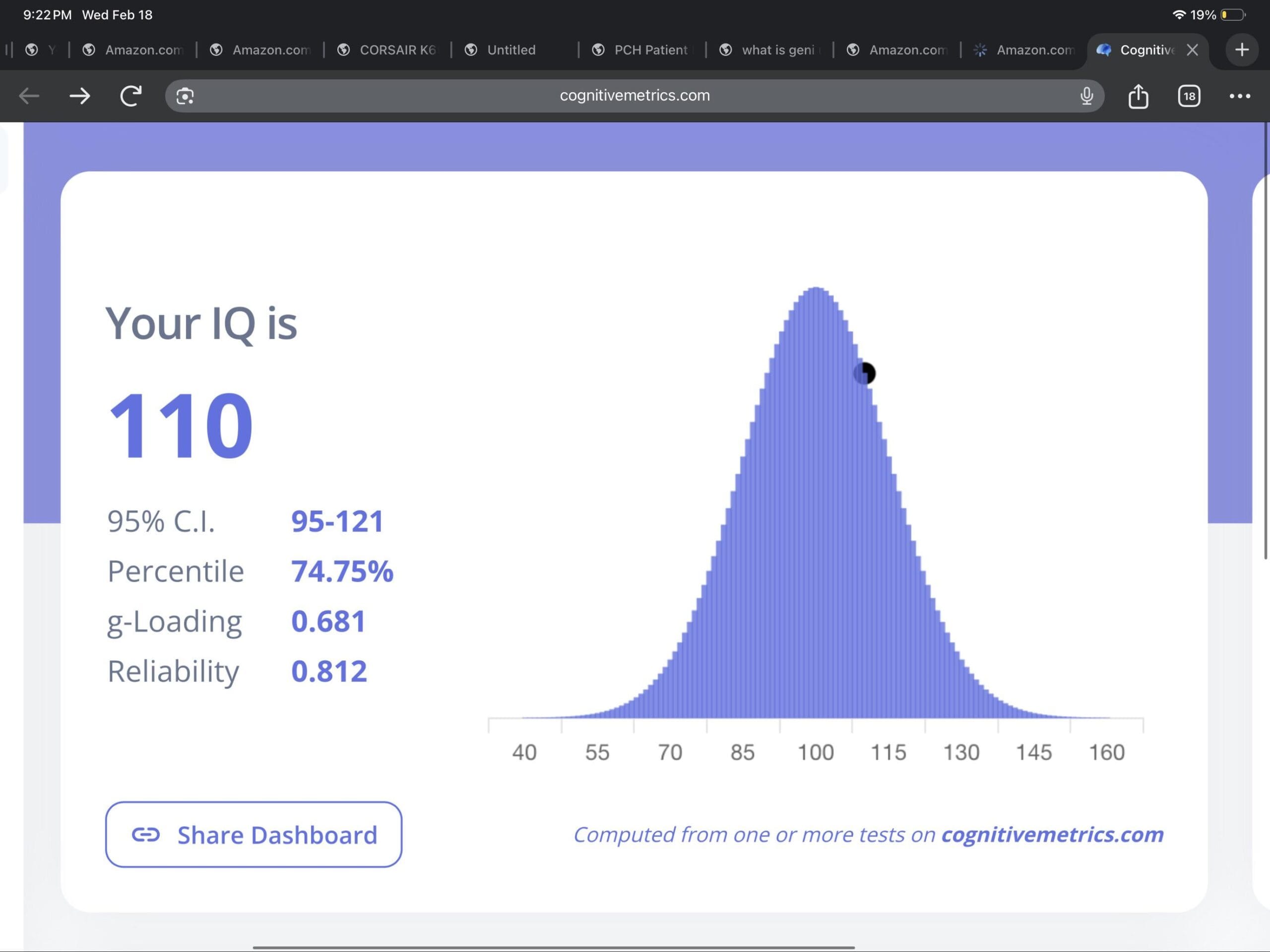
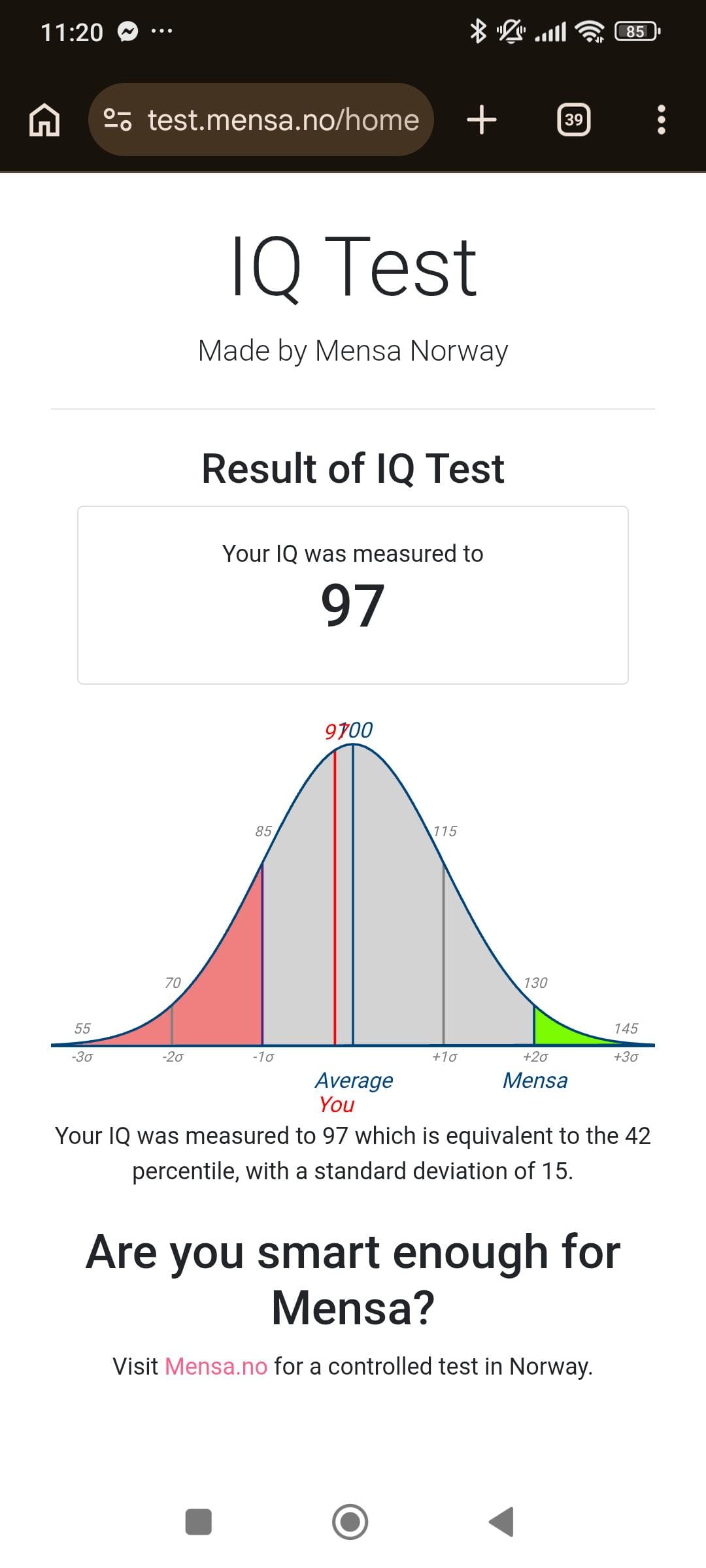
Traditional IQ testing relies on standardized formats like Raven’s Progressive Matrices, renowned for evaluating abstract reasoning without language barriers. These tests norm scores around an average of 100, with a standard deviation of 15, placing most people within the 85-115 range. However, fixed question sets often overlook individual variability, leading to less precise insights.
Enter AI: nowadays, machine learning algorithms analyze response patterns dynamically. Adaptive testing platforms adjust difficulty on the fly, ensuring optimal challenge levels. This evolution addresses practice effects, where familiarity boosts scores slightly, by introducing novel stimuli powered by generative models.
AI’s Role in Personalizing Cognitive Evaluation
Current trends analysis reveals a surge in AI-driven psychometrics. Platforms now employ natural language processing to interpret not just answers, but hesitation times and error types, generating nuanced profiles. For instance, if spatial reasoning shines but verbal tasks lag, AI flags potential links to learning styles, without diagnosing conditions like ADHD.
This personalization extends to self-improvement niches. Integrating with MBTI personality types or CEFR English levels, AI correlates cognitive data with traits, suggesting targeted exercises. Creativity evaluation benefits too, as algorithms score divergent thinking via open-ended prompts, far beyond multiple-choice limits.
Real-World Examples of AI-Enhanced IQ Testing
Consider recent developments in February 2026: leading apps like those from cognitive research firms use deep learning to simulate professional aptitude scenarios. A user tackling a virtual engineering puzzle receives instant breakdowns—’Your pattern recognition excels here, akin to top performers.’
In educational settings, schools deploy AI IQ modules for personalized learning paths. One real-world example involves a platform that gamified Raven’s-style tests, yielding 20% engagement boosts and actionable insights like memory training via spaced repetition. Professionals use these for career pivots, blending IQ data with aptitude forecasts.
From Scores to Strategies: A Case Study
Imagine a creative professional scoring high in fluid intelligence but middling in crystallized knowledge. AI feedback recommends podcasts for knowledge gaps and puzzles for maintenance, tracking progress over sessions. Such tailored advice turns IQ testing into a developmental tool.
Actionable Insights for Cognitive Growth
To leverage AI IQ testing effectively, start with reputable platforms offering detailed reports. Engage regularly, noting practice effects—aim for varied formats to minimize them. Focus on feedback loops: if working memory flags, try dual n-back apps, evidence-based for enhancement.
Key Steps:
- Assess Holistically: Combine IQ with personality and aptitude tests for a full picture.
- Train Smart: Use AI-recommended drills, like logic games for abstract reasoning.
- Track Progress: Re-test quarterly, celebrating incremental gains.
In recent months, studies highlight neuroplasticity’s role; consistent, personalized practice yields measurable uplifts. Avoid score obsession—view IQ testing as a compass for potential, not a limit.
Frequently Asked Questions
What is the average IQ score?
The average IQ is normed at 100, with a standard deviation of 15, meaning about 68% of people score between 85 and 115. AI tools contextualize your position with peer comparisons.
Can AI make IQ testing more accurate?
Yes, through adaptive algorithms and real-time analysis, AI reduces biases and provides deeper insights than static tests, enhancing reliability for personal development.
How can I improve based on IQ test feedback?
Follow personalized recommendations like targeted brain training, lifestyle tweaks, and skill-building exercises, capitalizing on neuroplasticity for cognitive gains.
Related resources
IQ testing: improve your results by practicing and tracking progress.