Elon Musk IQ has long captivated the public’s imagination, fueling debates on whether his groundbreaking achievements stem from superhuman intelligence or relentless drive. From revolutionizing space travel with SpaceX to pioneering electric vehicles at Tesla, Musk’s feats suggest a mind operating at extraordinary levels. But what does science say about the elon musk iq? In this analysis, we dive into trends, myths, and actionable ways to unlock your own cognitive potential, blending IQ insights with self-improvement strategies.
Unraveling the Elon Musk IQ Phenomenon
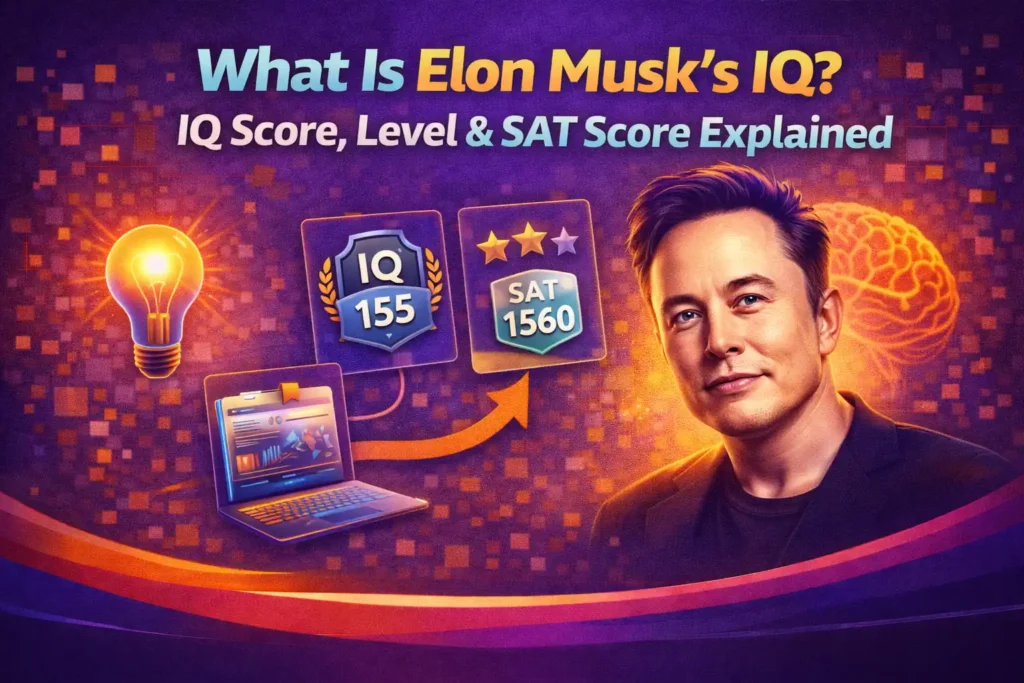
In recent months, searches for elon musk iq have surged, reflecting a broader cultural fascination with cognitive elites in the tech world. This trending interest coincides with Musk’s latest ventures in neural interfaces and AI, where abstract reasoning and innovative problem-solving are paramount. While no official IQ score exists, speculation often places it around 155 or higher, far above the average IQ of 100 with a standard deviation of 15. Yet, IQ is just one metric—Musk himself emphasizes hard work and risk-taking over innate genius.
Current Trends in IQ Discussions
Nowadays, online forums and social platforms buzz with analyses of high-profile figures’ intellects, driven by real-time events like product launches and policy debates. Tools like Raven’s Progressive Matrices, which test abstract reasoning without language bias, frequently come up in these conversations. These non-verbal assessments are ideal for evaluating pattern recognition skills evident in Musk’s engineering triumphs, such as reusable rockets. Practice effects can slightly boost scores through familiarity, highlighting that cognitive sharpness is malleable.
Elon Musk’s Cognitive Profile: Beyond Raw IQ Numbers
Musk’s success narrative transcends simple IQ metrics. Real-world examples abound: designing the Falcon 9’s landing system required not just high intelligence but visionary integration of physics, software, and materials science. Rumors tie his elon musk iq to exceptional fluid intelligence, the ability to solve novel problems, as measured by tests like Raven’s. However, self-reported traits like intense focus align with neurodiversity discussions, though we avoid diagnostic labels here. Instead, focus on how such traits fuel personal development.
Personality Types and Cognitive Synergy
In the realm of MBTI personality types, Musk is often typed as INTJ—the Architect—known for strategic foresight and independence. This complements high IQ by channeling intellect into long-term goals. Similarly, ADHD assessments reveal how hyperfocus can mimic genius-level concentration, turning potential distractions into hyper-productive states. Professional aptitude tests underscore that creativity evaluation, not just IQ, predicts innovation. Musk’s ability to juggle multiple companies exemplifies this multifaceted cognitive toolkit.
Myths and Facts: Separating Elon Musk IQ Hype from Reality
A common myth is that sky-high IQ guarantees success; facts show otherwise. Many geniuses falter without grit, while average-IQ individuals thrive through deliberate practice. Musk has quipped about his IQ in passing, but emphasizes execution. In modern times, with AI tools augmenting cognition, raw IQ matters less than adaptability. Evidence-based insights from cognitive psychology affirm: neuroplasticity allows improvement via targeted training, echoing practice effects in IQ testing.
Real-World Examples of Cognitive Diversity
Consider Richard Branson, whose dyslexia didn’t hinder Virgin’s empire, or Oprah Winfrey, leveraging emotional intelligence over traditional IQ. Musk mirrors this by blending technical prowess with bold storytelling. Recent developments in February 2026, like Neuralink’s brain-computer interface trials, spotlight how cognitive enhancement tech democratizes high-IQ advantages, making self-knowledge accessible to all.
Unlocking Your Cognitive Potential: Actionable Insights
To emulate Musk’s edge, start with self-assessment. Raven’s Progressive Matrices offer a gold standard for abstract reasoning—practice them to counter practice effects and build genuine skill. Incorporate daily brain training: puzzles, coding challenges, and mindfulness for focus akin to ADHD management strategies. Track progress with English CEFR levels for communication or professional aptitude tests for career fit. Start the test now to benchmark your IQ and chart a development path.
Strategies for IQ and Creativity Boost
- Dual N-Back Training: Enhances working memory, a key IQ component.
- Deliberate Practice: Focus on weak areas, as Musk does with iterative rocket designs.
- Sleep and Nutrition: Optimize brain fuel for sustained performance.
- MBTI Self-Reflection: Align strengths with pursuits for peak output.
These steps foster cognitive improvement, proving IQ isn’t fixed. In today’s fast-paced world, blending IQ with creativity evaluation yields breakthroughs.
Frequently Asked Questions
What is Elon Musk’s official IQ score?
No verified IQ score exists for Elon Musk. Estimates around 155 circulate based on achievements and anecdotes, but he hasn’t disclosed results from formal tests like Raven’s Progressive Matrices. Focus on traits like innovation over numbers.
Does high IQ guarantee success like Musk’s?
No—success combines IQ with perseverance, creativity, and opportunity. Average IQ (100) individuals excel through targeted self-improvement, while high IQ without drive often underperforms.
How can I test my own IQ accurately?
Use reputable tools like Raven’s Progressive Matrices or professional proctored exams. Beware practice effects; space sessions for reliable baselines. Pair with MBTI or aptitude tests for holistic insights.
Can ADHD or neurodiversity impact IQ scores?
ADHD traits may affect test performance due to attention fluctuations, but not underlying intelligence. Strategies like timed breaks enhance focus, revealing true cognitive potential without diagnosis.

Related resources
elon musk iq: improve your results by practicing and tracking progress.